Academics
A curriculum that gives every child room to learn and achieve.
All Grace Schools follows a specially designed curriculum that blends the Nigerian and British curricula, with a pupil-centred approach to critical thinking, collaboration, digital literacy, citizenship and communication.
Moral, social and cultural growth
Children develop morally, socially and culturally through the curriculum, alongside their academic work.
Learning by doing
Teachers set up the environment with a variety of activities that children are free to explore.
Practical and digital skills
Computer is taught from Kindergarten, and home-economics practicals, excursions and robotics extend learning beyond the desk.
6 months – 2 years
The Crèche / Reception
Care, rest and early learning through play in a home-away-from-home crèche.
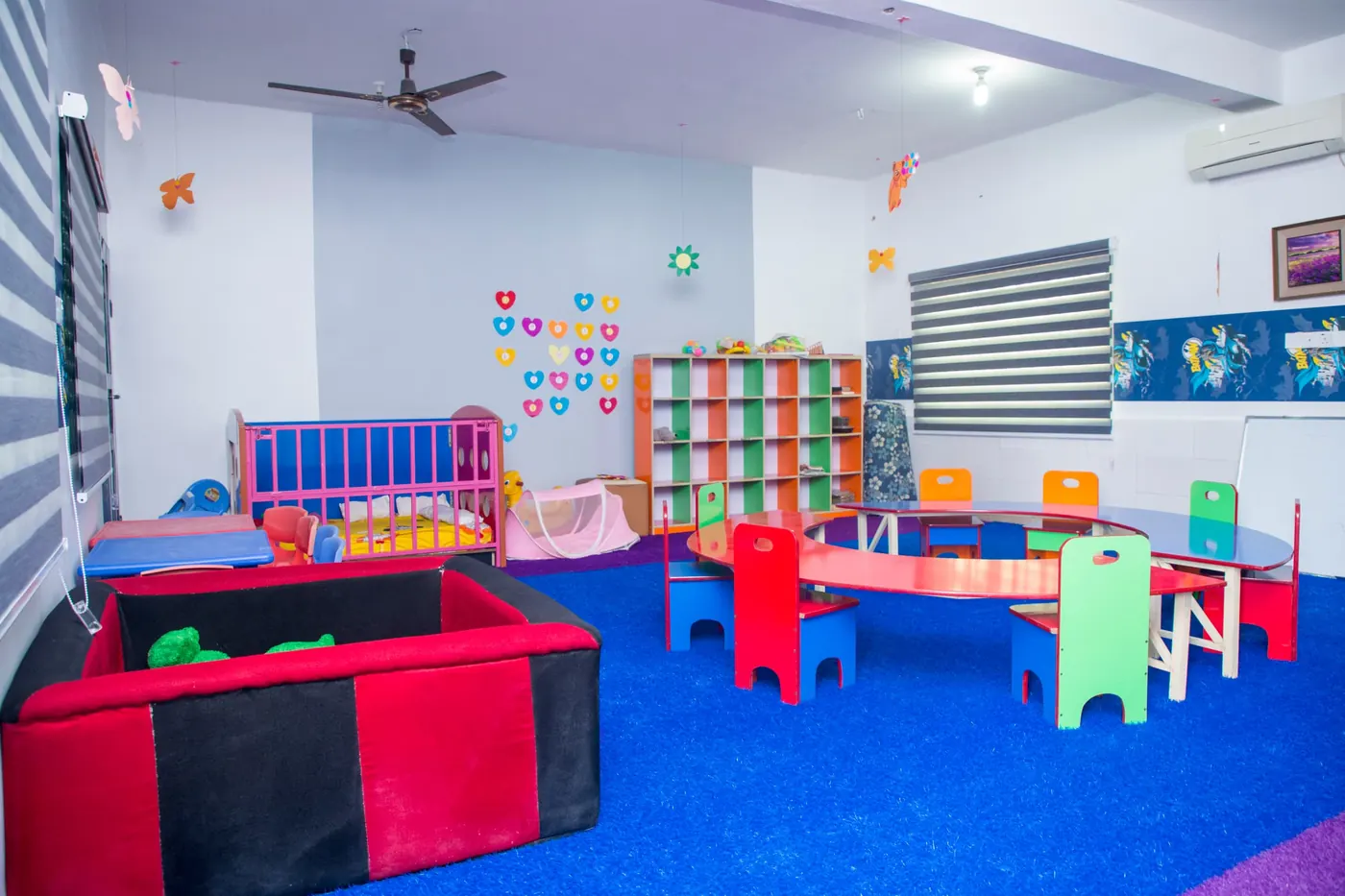
- Well-trained caregivers and nannies, good sleeping space and a hygienic feeding environment.
- Basic education that supports cognitive, social and physical development.
- Well-ventilated rooms with child-friendly learning facilities and security. CCTV cameras monitor staff and children’s activities.
3 – 5+ years
Kindergarten
KG1 & KG2
The first official school year: letters, sounds, words and the fundamentals of number.
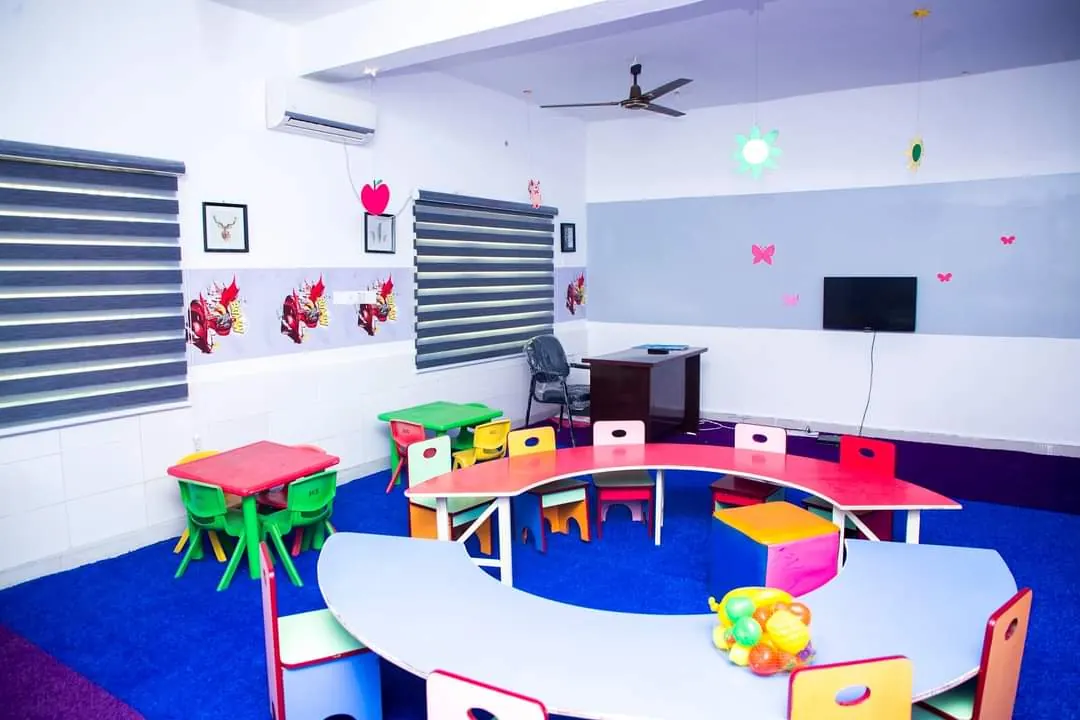
- Pupils write upper- and lower-case letters, draw shapes and pictures, sing rhymes and learn sight words.
- They begin to read, learn key fundamentals of mathematics, write their names, play educational games and go on excursions.
Subjects at this level
- Number work
- Letter work
- Social habit
- Health habit
- Writing pattern
- Computer
- Music
- Physical exercises
- Story telling
- Creative arts
- Colouring
6 – 7+ years
Lower Grade
Grades 1 – 3
The move from play-based learning to stronger academic skills.
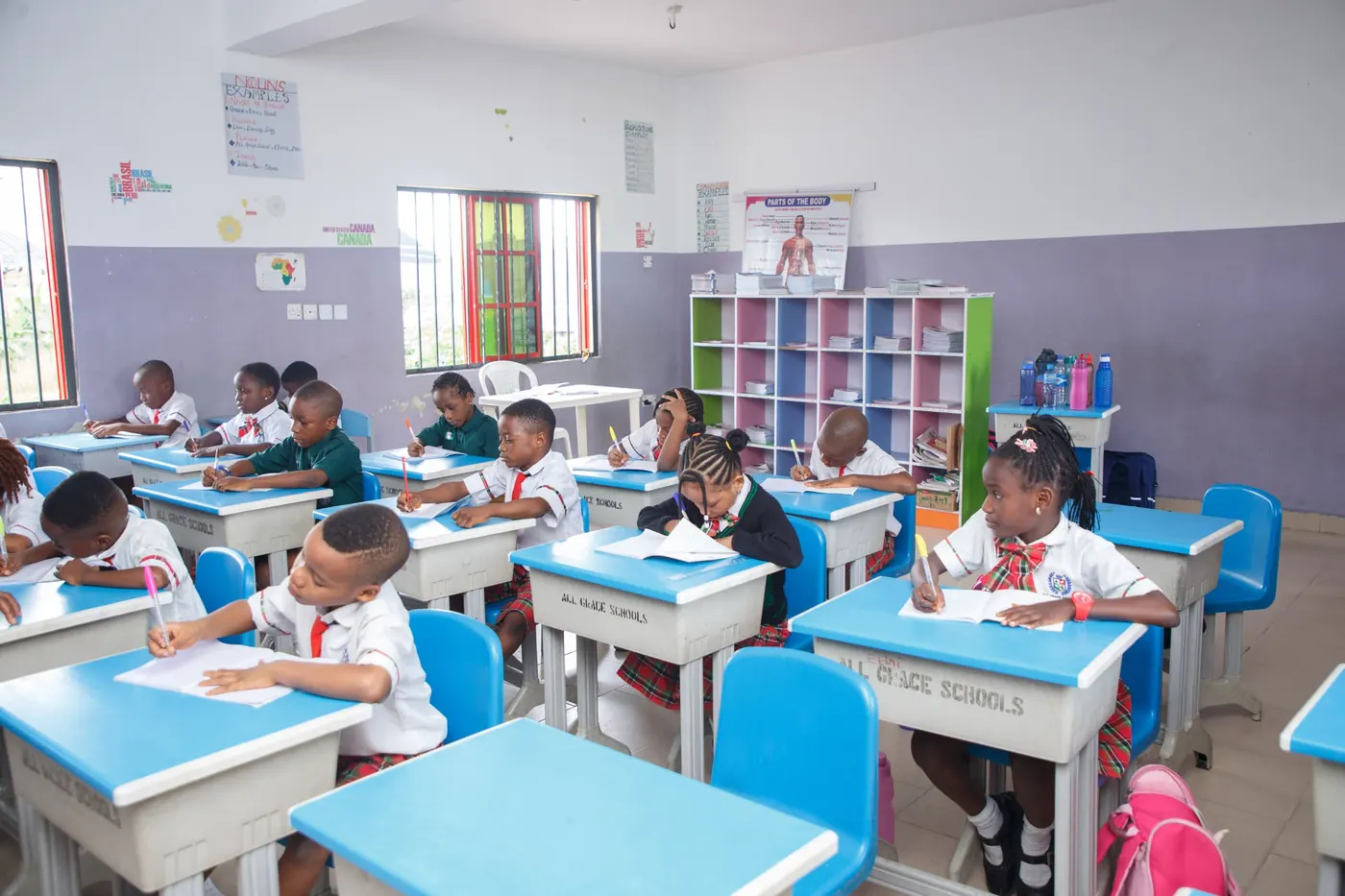
- Pupils read more complex words of two to five syllables.
- Teachers guide home-economics practicals such as sewing, cooking, moulding, and arts and crafts. Pupils also go on excursions.
Subjects at this level
- English language
- Mathematics
- Verbal reasoning
- Spelling
- Quantitative reasoning
- Basic Science
- Social Studies
- Health Education
- Security Education
- Vocational Studies
- Bible Knowledge
- Creative Arts
- French
- Diction
- Agricultural Science
- Home Economics
- Civic Education
- Handwriting
8 – 10 years
Upper Grade
Grades 4 – 5
Problem solving, critical thinking and certificate examinations.
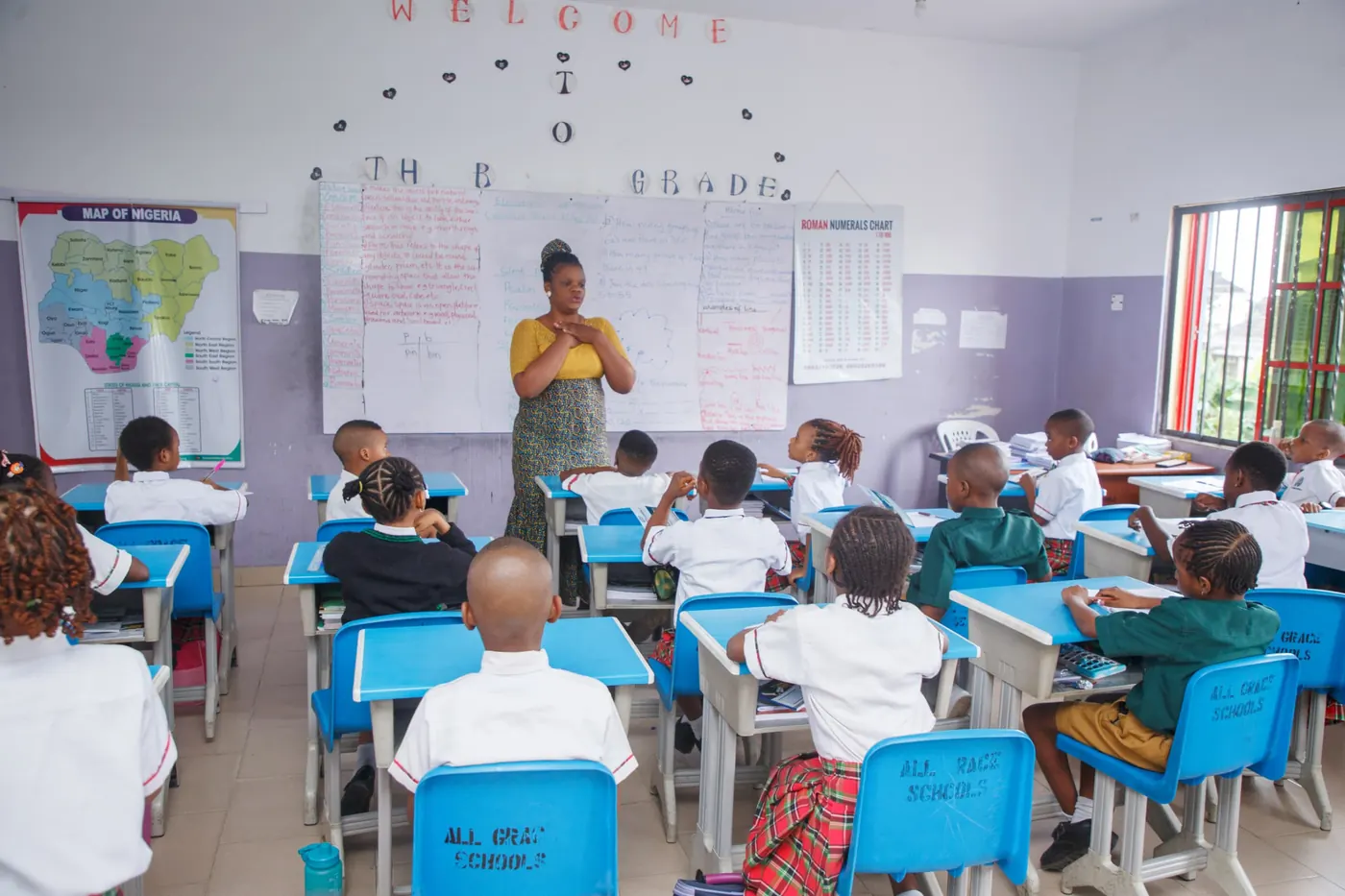
- Teachers act as facilitators while pupils apply what they learned in the lower grades to new levels of abstraction and bigger ideas.
- Certificate examinations are written at this level.
Beyond lessons
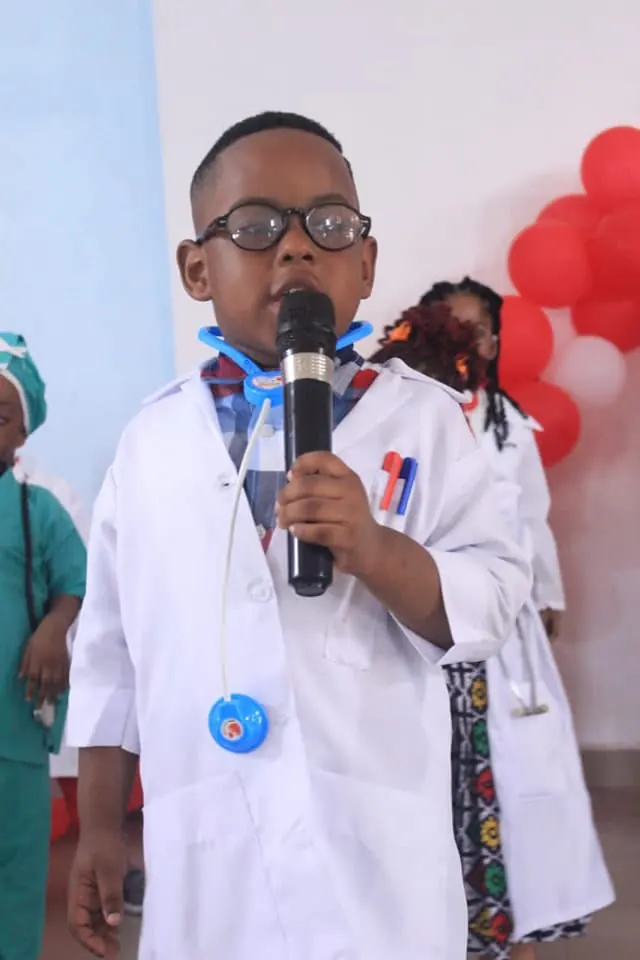
Clubs and extracurricular activities.
- Film club (cinema-hall viewing and acting)
- Swimming club
- Taekwondo
- Music / Dance
- Scouting
Admissions
Find the right class for your child.
Speak with Miss Ubongabasi J. Edet, our Admission Officer, or visit the admissions desk (weekdays, 9 a.m. – 3 p.m.) to arrange your child’s interview with the Head of School.